
Yard Sloping and Grading Services
Proper sloping prevents water accumulation, protects foundations, and promotes healthy lawn growth.
Resloping can improve drainage, reduce erosion, and enhance landscape aesthetics.
Flat or improperly sloped yards can lead to water pooling and structural damage.
Experts assess the current slope, plan the new grade, and use specialized equipment for precise results.
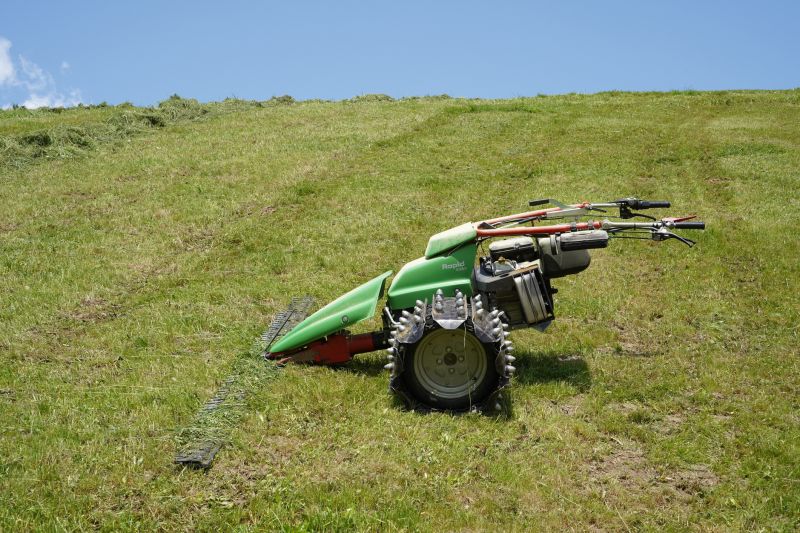
Initial assessment and planning for effective grading.
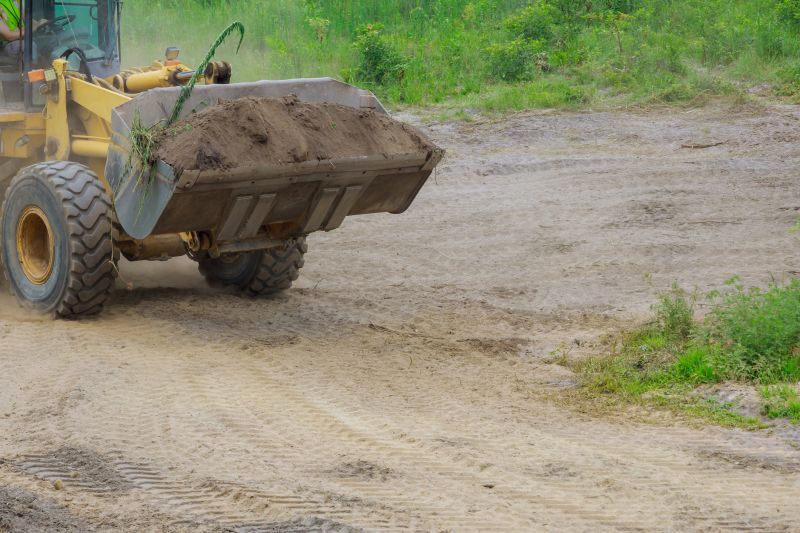
Heavy machinery used for grading and reshaping the yard.
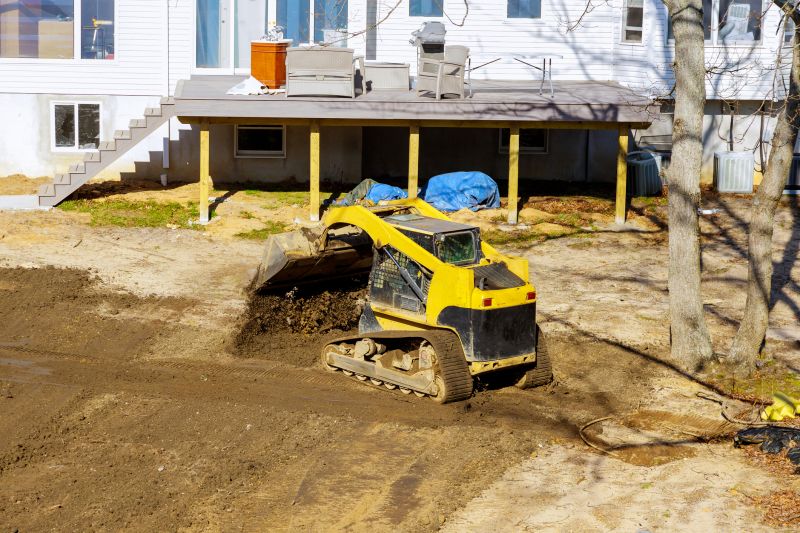
Completed yard slope ensuring proper drainage.
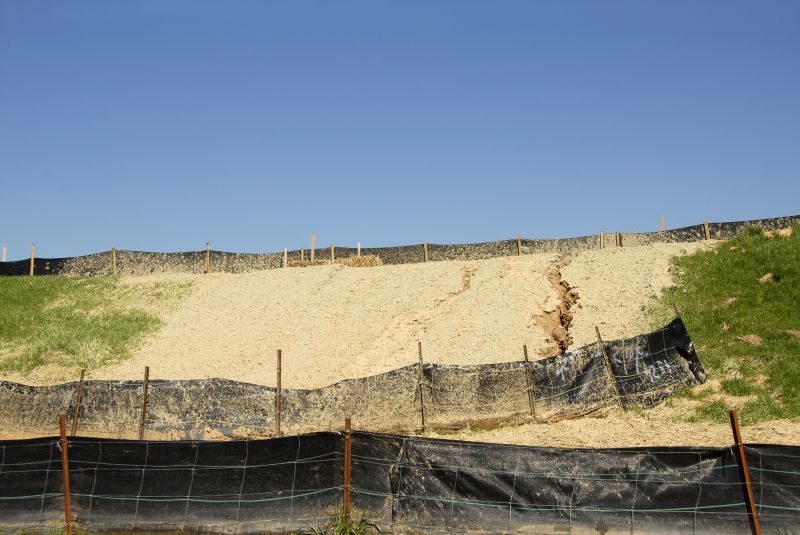
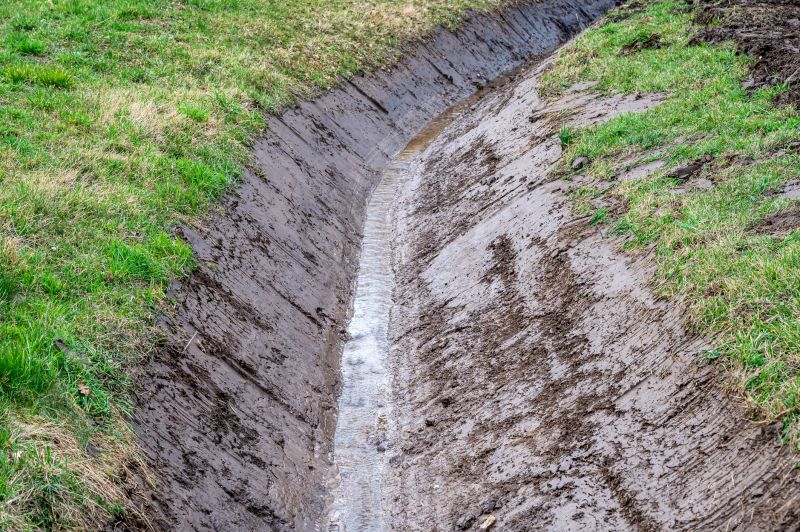
Techniques used to prevent soil erosion after grading.
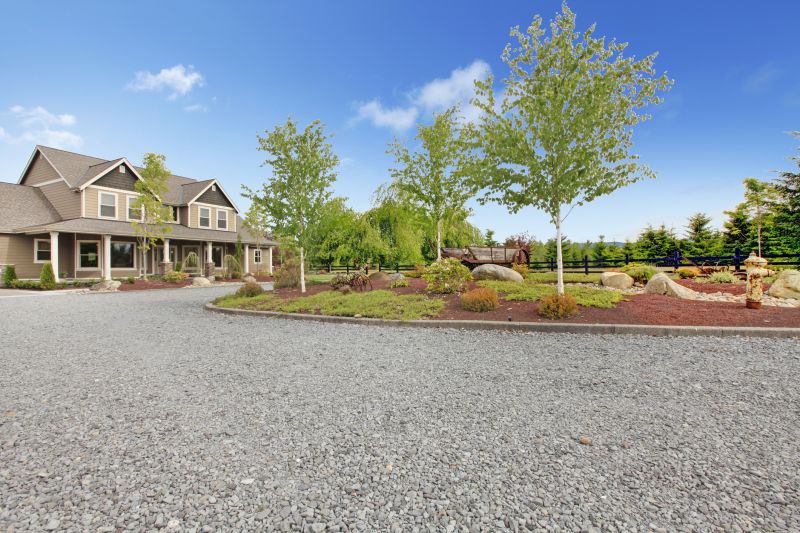
Customized grading solutions for homes.
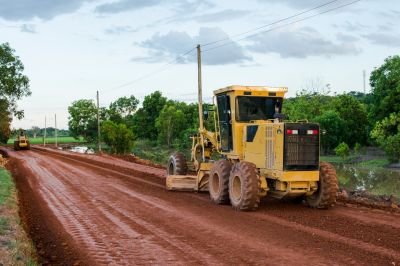
Large-scale grading for commercial properties.
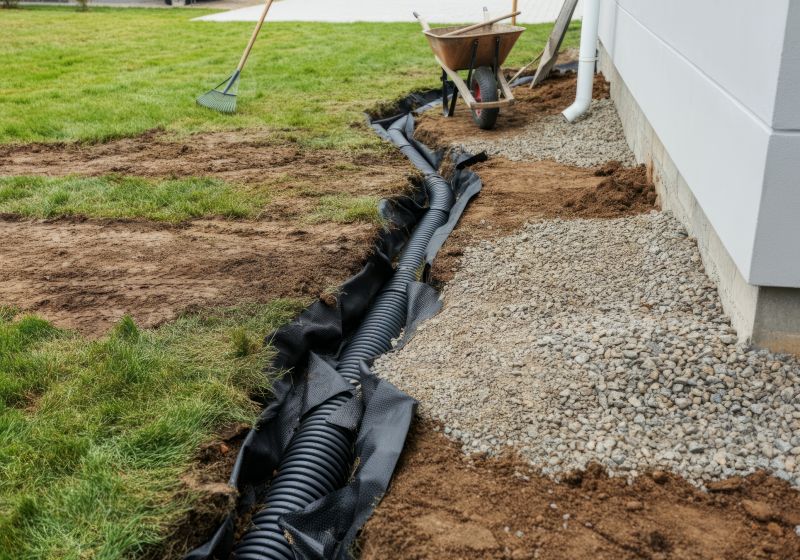
Installation of drainage systems alongside grading.
Ensuring the yard slope meets drainage requirements.
| Aspect | Details |
|---|---|
| Typical Duration | A professional yard grading project usually takes from one to three days. |
| Equipment Used | Bulldozers, graders, and compactors are commonly employed for shaping the yard. |
| Process Steps | Assessment, planning, excavation, grading, and final inspection. |
| Preparation Needed | Clearance of debris and existing landscaping may be required before work begins. |
| Post-Work Maintenance | Ensuring proper drainage and minor adjustments if necessary. |
Throughout the process, yard grading professionals utilize specialized equipment to achieve precise slopes that facilitate optimal drainage. The work typically involves initial site assessment, excavation, shaping, and finishing touches to ensure the yard's slope directs water away from structures effectively.
Properly sloped yards can prevent water-related issues, protect foundations, and improve landscape stability. Regular maintenance and inspections can help sustain the benefits of effective grading over time.
Potential clients are encouraged to contact for a quote on yard grading services. Providing details about the property size and current yard conditions can assist in preparing an accurate estimate.